GUEST RELATIONS: WHY IT HAS BECOME AN INDISPENSABLE STRATEGIC DEPARTMENT FOR IMPROVING THE GUEST EXPERIENCE
In an industry as competitive as the hotel industry, offering a comfortable room, a good location, or quality dining services is no longer enough to stand out. Today, travelers are looking for much more than just a place to stay: they want a personalized experience, to feel heard, and to receive service tailored to their needs before, during, and after their stay.
This shift in customer behavior has driven the emergence of new strategic areas within hotels. Among them, the Guest Relations department has established itself as a key element in improving service quality, strengthening the hotel’s reputation, and fostering customer loyalty.
The guest experience is no longer a value-added feature—it's an expectation
In four-star hotels, where guest expectations are particularly high, having a team specialized in managing the customer experience has become a key differentiator that impacts both guest satisfaction and business results.
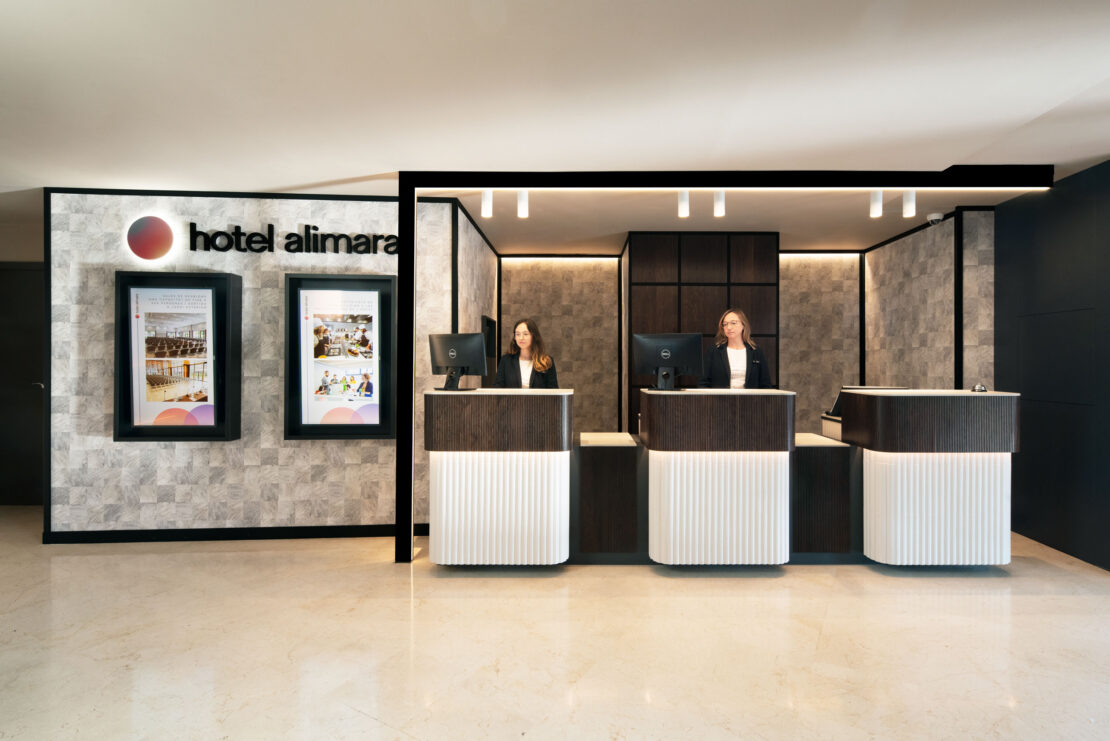
With this vision in mind, the Alimara University Hotel has recently established a Guest Relations department, thereby reinforcing its commitment to hospitality based on warmth, personalization, and continuous improvement.
What is a Guest Relations Department?
The Guest Relations department's primary mission is to ensure that every guest enjoys an excellent experience throughout their entire stay at the hotel.
Their work goes far beyond the traditional front desk role. While the Front Office team primarily handles operational processes related to check-in, check-out, and room assignments, Guest Relations focuses on building close relationships with guests and anticipating their needs.
Its goal is to create memorable experiences that evoke positive emotions and turn a satisfying stay into a memory that guests will want to relive and share.
To achieve this, this department works across the board with virtually every department in the hotel:
- Reception
- Housekeeping
- Restoration
- Kitchen
- Events
- Commercial
- Marketing
- Maintenance
Coordination among departments allows us to provide a consistent, personalized service that is in line with the facility's quality standards.
Why is this especially important at a four-star hotel?
Four-star hotels occupy a very demanding position in the market. Guests expect a level of service that is clearly superior to that of standard accommodations, though not necessarily on par with the luxury of a five-star hotel.
This means that even the smallest details take on enormous importance.
The guest expects:
- Prompt service.
- Flexibility.
- Immediate resolution of incidents.
- Friendly service.
- Personalized recommendations.
- Adaptability.
- Constant attention throughout your stay.
When these expectations are not met, the overall perception of the hotel can be negatively affected, even if the rest of the services are excellent.
This is precisely where Guest Relations adds tremendous value.
It doesn't just solve problems as they arise; it works to prevent them, identify opportunities for improvement, and pleasantly surprise the customer.
The difference between a good stay and an extraordinary experience often lies precisely in those small gestures that make guests feel special.
The main objectives of the Guest Relations department
Although each hotel tailors its functions to its business model, there are a number of common objectives.
1. Personalize the experience
Every guest is different: some are traveling for work, others are celebrating an anniversary; there are families, couples, groups, international travelers, and repeat guests. Understanding their preferences allows us to tailor our service to each guest’s profile. From preparing a room with special touches to recommending activities tailored to their interests, personalization significantly increases guest satisfaction.
2. Anticipating needs
One of the greatest strengths of Guest Relations is taking action before problems arise.
Listening to the customer from the moment they make a reservation, understanding the reason for their trip, and identifying any special needs allows us to offer solutions even before they are requested.
This ability to anticipate builds trust and conveys an image of professionalism.
3. Resolve issues quickly and effectively
No matter how well a hotel is managed, unexpected situations can always arise.
What makes the difference isn't that they appear, but how they are handled.
Guest Relations serves as the guest's primary point of contact, coordinating with various departments to provide quick, effective, and satisfactory solutions.
In many cases, an incident that is handled well can actually lead to a more favorable impression of the hotel than a stay that goes off without a hitch.
4. Listen actively to the guest
Feedback is one of the main sources of improvement for any hotel.
Guest Relations maintains constant contact with customers to gather feedback, identify opportunities, and learn firsthand which aspects are most highly valued and which ones need improvement.
This information is extremely valuable to the hotel management.
5. Build emotional connections
Hospitality is not just about providing a service.
It's all about building relationships.
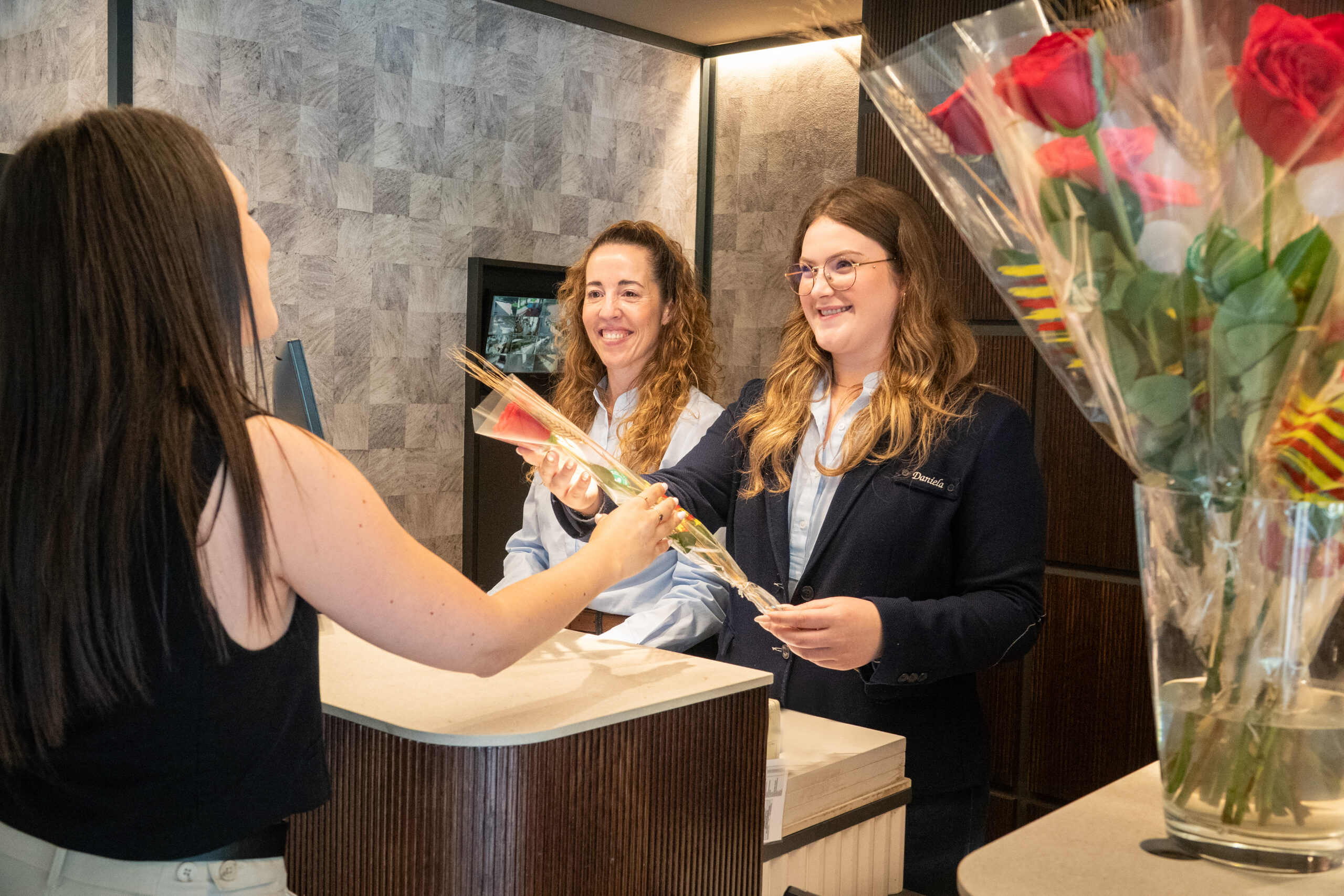
When a guest remembers the name of a staff member, a pleasant conversation, or an unexpected gesture, they are much more likely to return to the hotel and recommend it to others.

Benefits for Guests
The addition of a specialized department has a direct impact on the customer experience.
The main benefits include:
·Personalized service
The guest stops feeling like just a number and becomes a person with specific needs.
·Greater peace of mind
Knowing that there is a point person throughout the entire stay provides a sense of security and confidence.
·Tailored experiences
The recommendations are no longer generic.
Everything can be customized based on the traveler's profile.
·Quick resolution of any issue
Response times are significantly reduced thanks to direct coordination between departments.
·A greater sense of hospitality
Customers feel they are treated in a much more personal and human way.
Benefits for the hotel
The creation of a Guest Relations department also has a significant impact on the establishment's bottom line.
·Increased satisfaction
A better experience leads to better ratings and higher satisfaction rates.
·Customer Loyalty
Acquiring new customers is much more expensive than retaining existing ones.
Guests who have a memorable experience are much more likely to return.
·Improving online reputation
Nowadays, many booking decisions are based on reviews posted on platforms such as Google, Booking.com, or TripAdvisor.
Guest Relations works actively to turn satisfying experiences into positive reviews.
·Increased word-of-mouth
Personal recommendations remain one of the most effective forms of promotion.
A satisfied guest becomes an ambassador and advocate for the hotel.
·Guest Relations as a bridge between departments
One of the least visible, yet most important, aspects is their role as a coordinator within the hotel.
Guest Relations coordinates information across different departments to ensure that all teams are aware of the guest's needs.
For example:
- Housekeeping can prepare an accessible room.
- The kitchen can accommodate food allergies.
- The restaurant can prepare a special treat.
- Events can customize a setup.
- The front desk can speed up the check-in process.
This coordination improves both the guest experience and operational efficiency.
The Importance of Data in the Customer Experience
Personalization also depends on the information.
Recording preferences, consumption habits, or recurring requests makes it possible to offer a much more personalized service.
For example:
- preferred type of pillow
- dietary restrictions
- primary language
- arrival times
- reason for the trip
- special celebrations
While always complying with data protection regulations, this information allows us to surprise guests on future visits and build lasting relationships.
Projects That a Guest Relations Department Can Lead
The work of this department goes far beyond day-to-day operations.
It can also drive strategic projects that transform the customer experience.
Personalized Welcome Programs
Design unique experiences for:
- families
- international travelers
- corporate clients
- event attendees
- returning guests
Special Celebrations
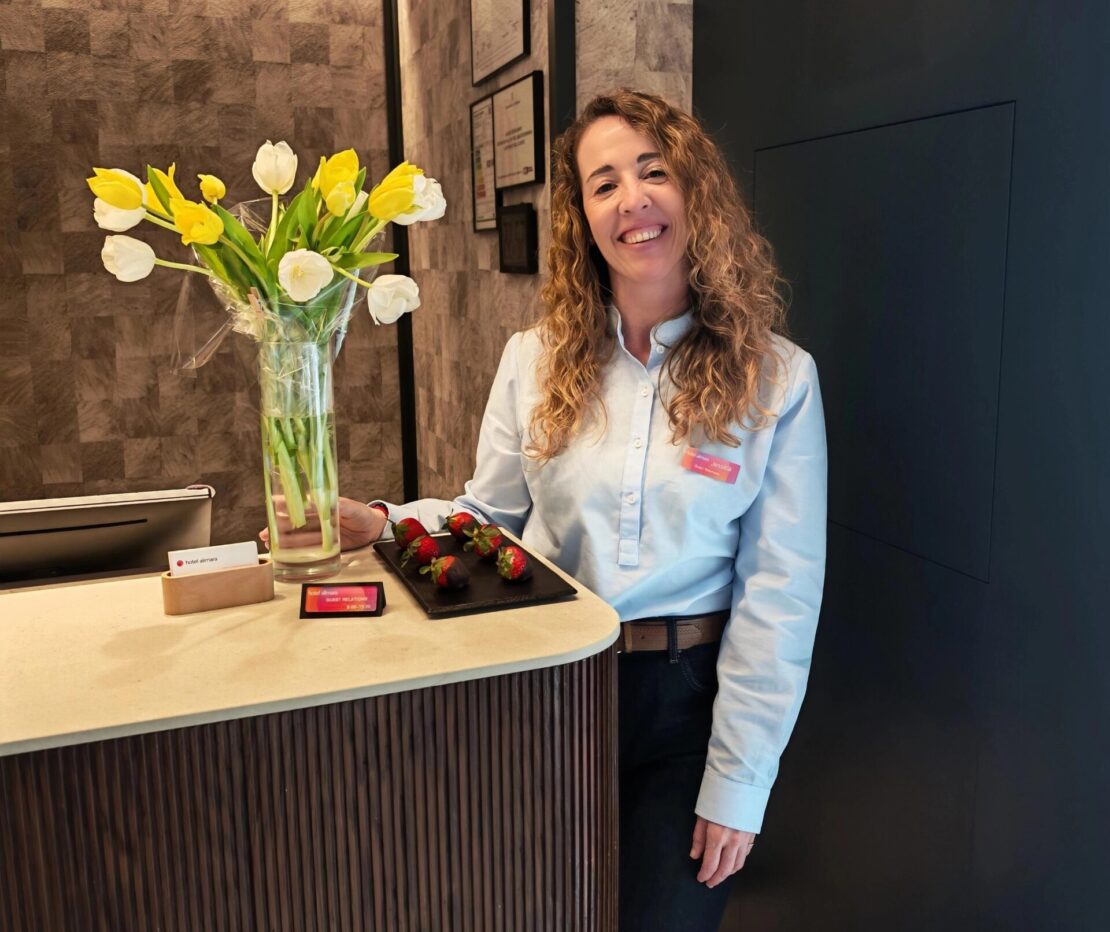
Birthdays, anniversaries, honeymoons, graduations, or small gestures that have a big emotional impact.
Loyalty Programs
Develop initiatives that encourage guests to return through exclusive perks, personalized communications, or unique experiences.
Online Reputation Management
Monitor reviews.
Reply to comments.
Identify trends.
Analyze opportunities for improvement.
Local Experiences
Collaborate with local cultural organizations, businesses, and companies to offer authentic experiences tied to the destination.
In-house Training
Guest Relations can also lead training programs for the rest of the staff to foster a customer-centric culture.
Satisfaction Analysis
Design surveys, interpret results, and propose data-driven improvements.
Guest Relations and Sustainability: A New Way to Create Value
More and more travelers appreciate it when hotels incorporate sustainability criteria into their operations.
The Guest Relations department plays an important role in this area by serving as a bridge between the hotel and the guest.
Providing information on energy-saving initiatives, promoting responsible use of resources, recommending sustainable transportation options, and highlighting locally sourced products are some of the ways that help guests actively participate in the hotel’s environmental commitment.
In addition, this department can help promote social projects, community partnerships, or initiatives related to corporate social responsibility, thereby reinforcing the perception of a hotel that is committed to its community and to more responsible tourism.
The Case of the Alimara University Hotel
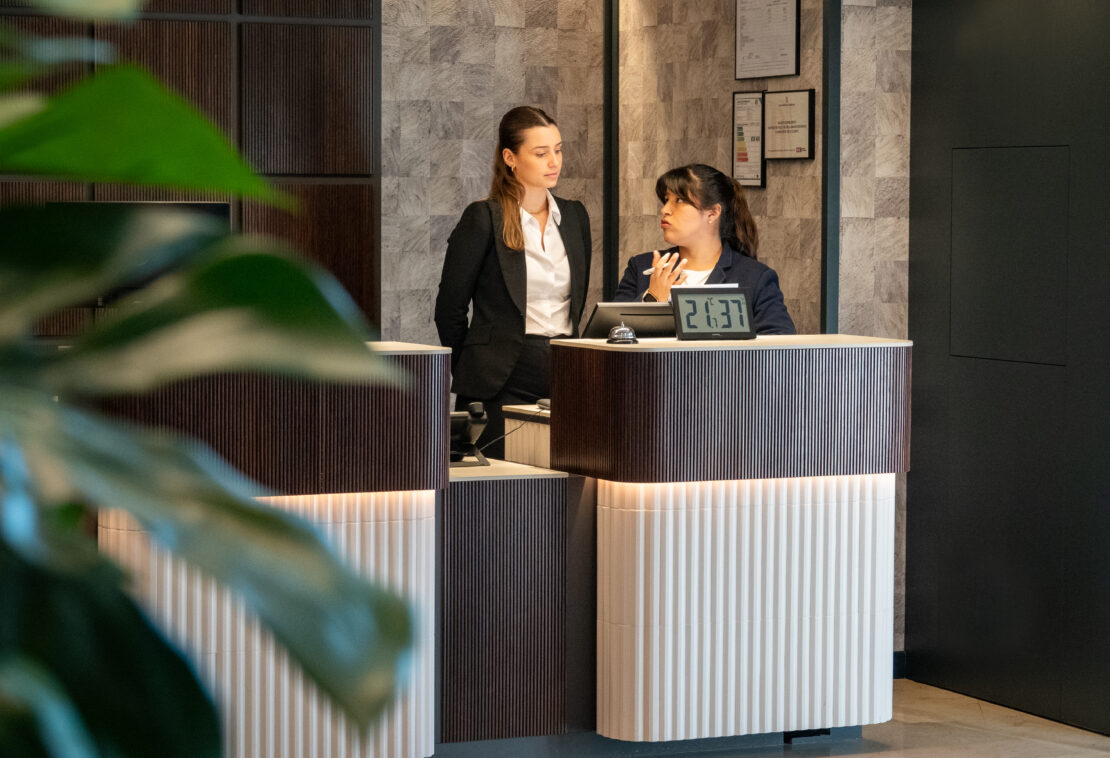
The recent creation of the Guest Relations department at the Hotel Universitario Alimara reflects a clear commitment to continuing to evolve and placing the guest experience at the center of all decisions.
As a four-star hotel and university hotel, Alimara combines a solid track record in the hospitality industry with an academic environment focused on innovation and the training of future professionals in the sector. This unique combination makes the hotel a place where excellence in service goes hand in hand with experimentation, continuous improvement, and the implementation of new trends in hotel management.
The introduction of Guest Relations marks another step in this evolution. The goal is to offer even more personalized service, strengthen relationships with guests, improve coordination between departments, and create memorable experiences that reflect the hotel’s identity.
In addition, this new department paves the way for promoting projects related to personalized hospitality, online reputation management, active customer listening, innovation in the user experience, and the development of initiatives that continue to position the Alimara University Hotel as a leader in service quality.
A Commitment to More Humane Hospitality
Hotel excellence is no longer measured solely by the quality of the facilities or the range of services offered.
Today, the real differentiator lies in the ability to evoke positive emotions, forge lasting connections, and provide experiences that guests will remember long after their stay has ended.
In this context, Guest Relations represents much more than just a new department. It is a work philosophy based on listening, personalization, anticipation, and continuous improvement.
Hotels that put guests at the center of their strategy not only achieve higher satisfaction rates. They also strengthen their reputation, increase customer loyalty, and build stronger, more lasting relationships with their guests.
With the addition of this department, the Hotel Universitario Alimara reaffirms its commitment to warm, innovative, and people-oriented hospitality, convinced that it is often the small details that leave the deepest impression on a traveler’s memory.